


Hats off to the home cooks who get dinner on the table day-in and day-out. Between planning, shopping, cooking, and clean up, it’s no easy task. I say there’s no shame in leaning on shortcuts when it comes to making meals. Here I’ve curated 10 of my favorite ingredients to take some of the work out of cooking. These are what I consider healthy convenience foods (all pretty budget-friendly, too) that can lighten your load in the kitchen.
Rotisserie Chicken — Rotisserie chicken is a front-runner for most valuable shortcut ingredient. It can be the building block for myriad meals, sidestepping the need to cook chicken from scratch. Use it to make simple tacos or enchiladas, for chicken sandwiches, in salads, soups, and casseroles of every kind. Not all rotisserie chickens are the same, so experiment with what your grocer sells versus the butcher versus the rotisserie chickens sold at some farmers’ markets. My recipe for Zuni Café-Inspired Salad with Chicken and Big Craggy Croutons is a good place to put the chicken to use as are these Chicken Salad Lettuce Cups.
Tip: Most rotisserie chickens are sold in bags or containers with plastic. It’s best to remove the chicken from the bag as soon as you have it home and store in another container. I like to pull the meat off the bones as soon as I’m home from the market, since it’s easiest when the chicken is still warm.

Thai Curry Paste — You can turn out a terrific pot of Thai-style curry in very little time using Thai curry paste sold in the Asian food section of the grocery store. Some brands, such as Thai Kitchen, have the recipe right on the jar or check out my Red Lentil or Salmon and Vegetable Curry.
Tip: Thai curry paste isn’t just for curry. Use it to elevate the flavor in noodle dishes, salad dressings, and cooked vegetables.
Braised/Baked Tofu — Whether you’re a vegetarian or not, store-bought braised/baked tofu is a handy source of protein that comes fully cooked, seasoned, and ready to eat. Cut into cubes and add to salads, stir-fries, noodle and grain bowls, or even just for snacking.
Tip: Cut the baked tofu into slices or cubes and store in a covered container, so it’s quick and easy to use.
Salad Kits — Supermarkets stock a variety of these kits, which make quick work of fresh salads. They come in a variety of flavor profiles, such as Chopped Kale, Asian Cabbage, Southwestern, and Caesar. You can bump up the protein and heft by adding leftover chicken, tofu, or canned chickpeas or beans.
Tip: The dressings in salad kits tend to be on the thick, sweet side. I typically use equal parts of the dressing provided with my own vinegar or lemon juice. This is a mini recipe that shows you how.
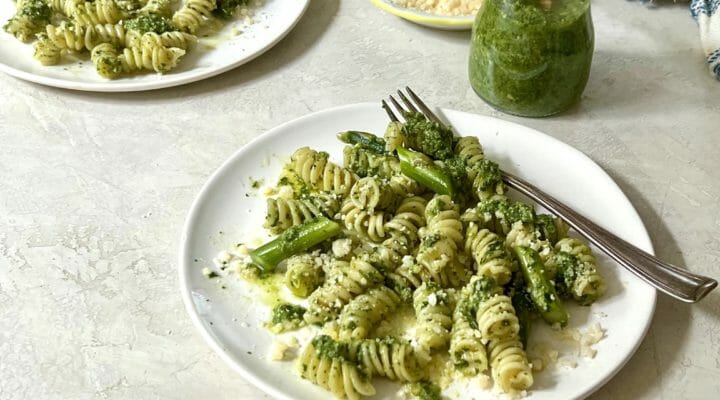
Store-Bought Pesto — Jars or tubs of pesto sold in the refrigerated section of the market are a terrific back pocket trick for the home cook. Toss a few generous spoonfuls into a bowl of hot pasta or farro with a big squeeze of lemon and you’ve got dinner. Other ideas? Make this vibrant Pasta with Spring Veggies, spread on a sandwich or in lieu of tomato sauce on a pizza, mix into a dish of freshly steamed vegetables, or add to this totally delish spring Tortellini Soup.
Tip: Portion leftover pesto into an ice cube tray, freeze, then pop out the cubes and store in a freezer bag for next time.
Frozen Vegetables — There’s no excuse to skip the veggies when they’re all prepped and ready in the freezer. From a nutrition standpoint, frozen vegetables stack up similarly to fresh and require virtually no work for the cook. Keep a few bags on hand, such as spinach, peas, broccoli and cauliflower. Add them to soups and pastas, enjoy them roasted, or toss into a blender to boost the nutrition in fruit smoothies (spinach and cauliflower are good bets).
Tip: When roasting frozen vegetables, put them straight from freezer to sheet pan and into a hot oven.
Canned Beans — Beans are one of the most budget-friendly, healthy, and convenient ways to turn out a meal. Blend them with broth and a few seasonings for a quick soup, use for vegetarian burritos and tacos, turn into pots of chili, toss with rice and serve with avocado and salsa, and add to salads of every stripe.
Tip: Empty canned beans into a colander and rinse well under the faucet. You’ll reduce the sodium by more than 40 percent according to researchers at the University of Tennesse.
Frozen Raw Shrimp — Did you know that nearly all the shrimp you buy at the market was once frozen? Why not just have a stash in your own freezer. It defrosts quickly and if you buy it peeled and deveined, you cut down prep time significantly. Sauté them with olive oil and garlic and serve over pasta, stir fry with whatever veggies you have on hand, serve them alongside a crunchy salad, make quick Shrimp Rolls (a spin on your favorite lobster roll) or these tasty Shrimp Skewers with Tangy Avocado Sauce.
Tip: To defrost frozen shrimp, put them in a large bowl and cover with cold tap water. Stir from time to time to break up any frozen clumps and they should be ready to go within 20 minutes. Easy!
Frozen/Shelf Stable Grains — Easy-to-heat packages of rice, quinoa, farro, and other grains, either from the shelves or the freezer section are quick to heat and eat. Turn them into a quick fried rice, add to chicken soup, use as the foundation for these Harvest Bowls, or serve as a side dish to meat, fish, or chicken.
Tip: If adding frozen grains to a pot of soup or stew, no need to defrost. Just add them directly from the package. I also take the grains out of the plastic package before heating in the microwave.
Spice Blends — Having a few spice blends in your collection is an easy way to dress up your food. A few to consider include Old Bay for shrimp and other seafood dishes, Chinese Five Spice for grilling steak, Chili or Chipotle Powder for pinto and black beans, Ras al Hanout for chicken dishes or these spiced walnuts, and Everything Bagel seasoning for avocado toast or this easy Baked Chicken.
Tip: Store spices in airtight containers away from heat and light. They will last longer.
Comments